
The contents of your first aid kit should be based on your assessment of first aid requirements. For example, working with hazardous substances, effective eye wash is essential. Having a First Aid Kit is one thing, but making sure it is fully stocked and up to date, means you are fully prepared for a first aid emergency.
A basic first aid kit might contain the following:
- A leaflet or manual with general guidance on first aid
- Individually wrapped sterile plasters of assorted sizes
- Sterile eye pads
- Individually wrapped triangular bandages
- Safety pins
- Sterile, individually wrapped wound dressings of various sizes
- Disposable gloves
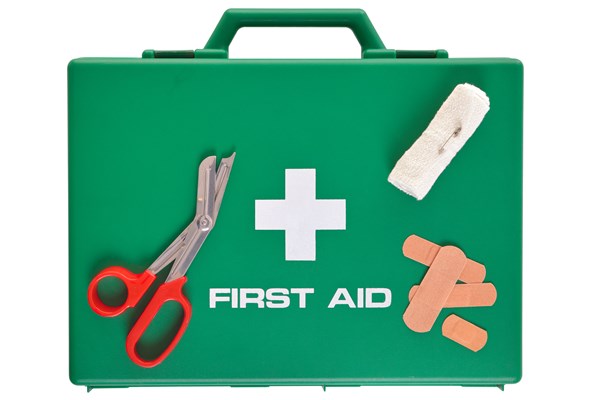
If you are buying a kit, look for British Standards (BS) 8599, however there is no law requiring the first aid kit to meet these standards. The kit should contain what has been identified in your risk assessment and be adapted for employees medical requirements..
It is so important to make sure your first aid kit is up to date and fully equipped, and although parts of the kit will last a long time, other components can expire and will need to be replaced.
Check the expiration date of your first aid kit regularly, as many items, particularly sterile ones, are marked with expiry dates and will not be fit for purpose. Certain materials are compromised in terms of their usability or sterility and would no longer be safe to use in an emergency.
Here are some of the items within a First aid kit that might expire:
- Bandages – over time, most adhesive bandages deteriorate and lose their adhesiveness; rendering them useless. They also lose their sterility, making them unsafe for use.
- Sterile Wipes and Cleaning Supplies – wipes and other wound cleaning supplies that have expired, can often lose their sterility. They can also dry out, making them useless in an emergency.
- Gloves – these can degrade over time, resulting in loss of protection for both the user and injured person from pathogen transfer.
- Medicine – Although not a common item in first aid kits, many carry essential prescribed ones such as asthma inhalers and auto-injectors as well as common items like paracetamol. All medicines have an expiration date and some can be harmful after this date.
Note expiry dates and set a reminder in your diary to check and replace.
Auto-injectors
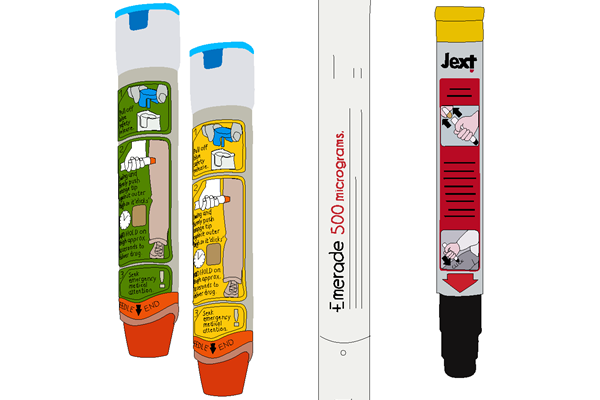
There are various brands of adrenaline (epinephrine) auto-injectors, such as the more known brand EpiPen and these should be stored in a cool, dark place at room temperature, between 15-25°C. They should not be refrigerated, as temperatures below 15°C may damage the autoinjector mechanism.
Adrenaline autoinjectors, like other medication, should be kept out of reach of children, however they must be readily available when needed and not kept in a locked cupboard. An ASCIA Action Plan for anaphylaxis should also be stored with an adrenaline autoinjector.
1 -2 years is the usual shelf life from the date of manufacture. Note the expiry date and sign up for ExpirtAlert.
Adrenaline autoinjectors are single use devices and cannot be reused. We recommend to carry two autoinjectors, in case of emergency.
Asthma Inhalers
Asthma inhalers should be stored below 30°C and do not need to be refrigerated. Most inhalers expire 1 year after they are issued, but storage can have an impact on their effectiveness. Take a note of the expiry date, especially if not using that often, and do not use after the expiration date.
 North Devon First Aid training